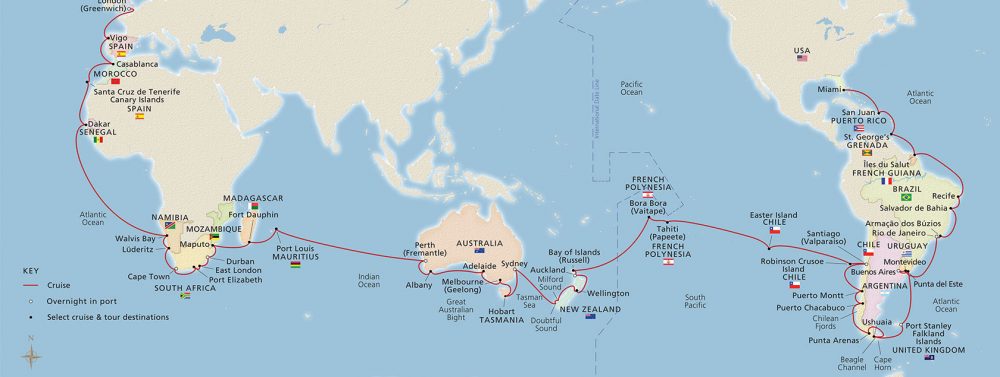
Puerto Mott and the surrounding area were settled in the 1860s by German immigrants, who were actively solicited by the Chilean government. They were, our guide said, selected from applicants and were required to have a background in agriculture, be married, and be Catholic. One story is some Lutheran families snuck in by pretending to be Catholics; another is the man sent to recruit families couldn’t find enough Catholics interested in moving so he included Lutherans and was promptly sacked on his return. Either way, there is a Lutheran population and churches. The government gave in and let them stay but required all Lutheran church services to be in German in order that they not be attractive to any members of the native Catholic population. The area is the major farming area of the country and known as the lake region.
We had an excellent guide, an elementary school teacher who gave us much historical and cultural information on our bus ride to a nearby town of Puerto Varas on the shores of a huge glacial lake,—we were told it took 5 hours to drive around. Across the lake are snow-covered volcanic peaks that were beautiful in the photos displayed during our port talk. However, it was raining and you couldn’t see them at all in the rain. Our guide said the weather is either raining or planning to rain most of the time. We did visit a local craft shop (a lot of woolens including alpaca) and jewelry store (lapis lazuli is the big local stone.)
Others made more adventurous excursions to other lakes and waterfalls (including a boat ride in one), to a traditional German heritage ranch, and to a volcano to hike partway up. Still others went horseback riding or river rafting.
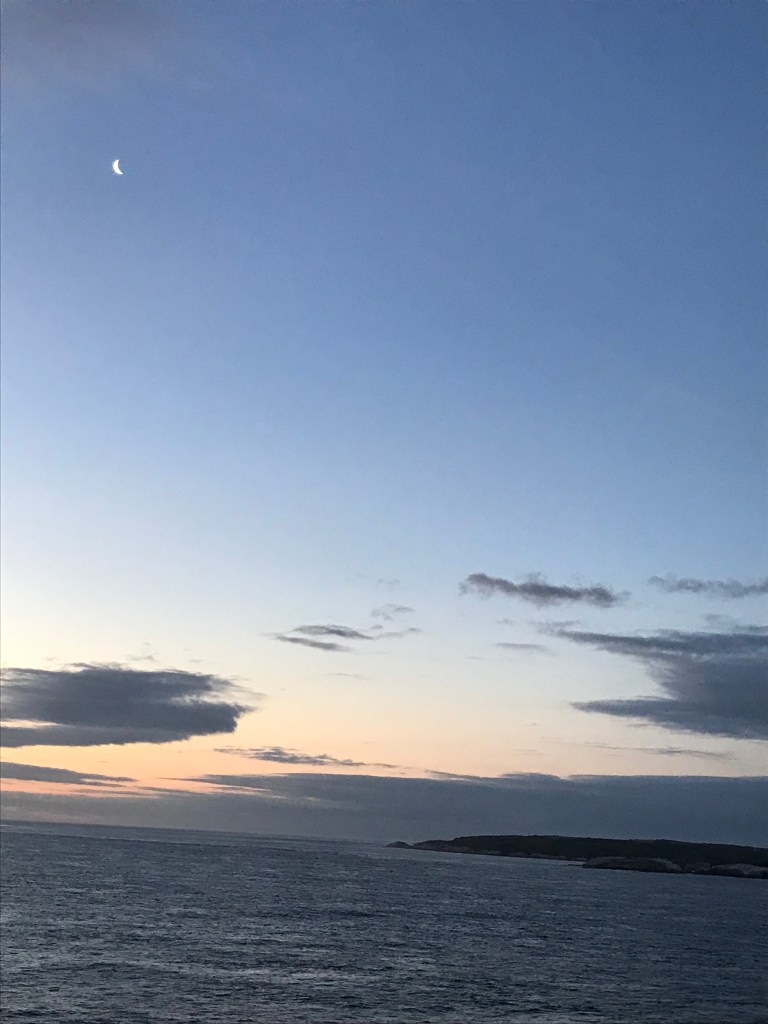
Puerto Mott brings us close to the northern end of the Chilean fjords. As we sailed out about 6 pm, the sun appeared. We sailed between islands but rather than mountain sides disappearing seamlessly into the ocean, they were low lying, possibly with fields and farmlands, but raised from the sea by low cliffs.
 C&C travel the seas